Melrose Heals: A conversation about eating disorders

A podcast designed to explore, discuss and understand eating disorders
Eating disorders can thrive in secrecy and shame. But by having honest conversations about eating disorders and mental health, it’s possible to create opportunities for healing. That’s why we’ve created the Melrose Heals podcast.
During each episode, Karen L. Nelson, a licensed clinical psychologist at Melrose Center, hosts discussions about the topics important to people and families impacted by eating disorders. We hope you’ll listen and start healing.
Subscribe wherever you get your podcasts
We’re available on major platforms, including:
Apple Podcasts Simplecast Spotify - And many more

Episode 75
On this episode, Dr. Karen Nelson is joined by Dr. Amanda Delsman to dive deeper into body image, the role it plays throughout the recovery journey, and tips for cultivating a healthier relationship with your body.

Episode 74
On this episode, we will be sharing a story of recovery. Dr. Karen Nelson is joined by Emily, who will take us through her story of diagnosis, treatment and what it means to live in recovery.

Episode 73
Dr. Karen Nelson continues her conversation with Dr. Linda Wondrasch to discuss temperament-based treatment. A new treatment model that helps patients and families understand and use their own personality traits as a primary source of change and recovery.
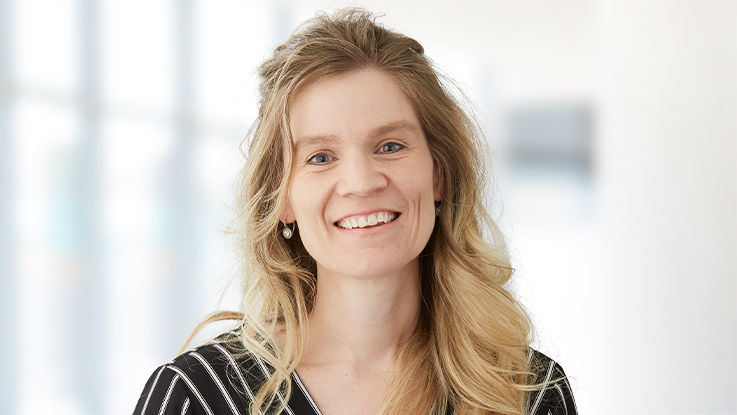
Karen L. Nelson, PsyD, LP
Karen L. Nelson is a licensed clinical psychologist at Melrose Center. She has experience working with a wide range of clinical concerns, including eating disorders, mood disorders, relational problems, anxiety disorders, trauma, self-harm, compulsive behaviors and parenting concerns. A strong advocate for her clients, she believes in creating a safe space for each individual to experience nonjudgment and safety on their journey toward a path of renewed wellness, growth and healing.
More about Melrose Center
At Melrose Center, we’ve provided compassionate, expert care for all types of eating disorders for people of every age and gender for over 35 years. We’ve helped guide thousands of people toward recovery using evidence-based treatment. This means that we base our programs on the latest research and treatments proven to help. Recovery is possible, and we’re here to help you get there.