Pelvic floor physical therapy

Relieve pelvic pain and improve function with pelvic floor physical therapy
If you have pain in your lower back or pelvis, if you’re struggling with bladder or bowel control, or if you’re experiencing genital pain, you’re not alone. Many people deal with pelvic floor disorders such as incontinence, pelvic pain and pelvic organ prolapse. At TRIA, we provide pelvic health physical therapy to treat uncomfortable or embarrassing symptoms.
We know pelvic health can be a sensitive topic. Our physical therapists will work with you one-on-one to ensure you feel comfortable and get the excellent quality of care you deserve. We use a variety of approaches to treat pelvic floor disorders and help you achieve your recovery goals, including lifestyle interventions, pelvic floor exercises and manual therapy. And with several locations in the Twin Cities and western Wisconsin, the care you need is always close by. We’re here when you’re ready, so make a pelvic health physical therapy appointment to start feeling better.
What is pelvic floor physical therapy?
The pelvic floor is part of the core and supports your internal organs, including the uterus or prostate, bladder and rectum. Pelvic floor disorders can make urinating, emptying the bowels, sex and other essential bodily functions uncomfortable.
Pelvic floor physical therapy, sometimes called “pelvic health physical therapy,” can treat and manage pelvic floor disorders. Physical therapists use a combination of exercises, hands-on therapy, relaxation techniques and education to improve pelvic floor function.
Who can benefit from pelvic floor physical therapy
We work with patients of any age and gender, and our team includes pelvic health physical therapists who specialize in pregnancy, postpartum and
You might be a good candidate for pelvic health physical therapy if you:
- Find it difficult to empty your bowels, have hardened stools or are unable to regularly empty your bowels
- Have difficulty holding urine when you feel a sudden strong urge to pee
- Have difficulty starting to urinate
- Leak urine when you sneeze, cough, laugh or exercise
- Notice pelvic pain with sitting, sexual activity, pelvic exams or bowel movements
- Struggle to get and maintain an erection
- Urinate frequently, more than every 3-4 hours during the day or more than once at night
Types of conditions we treat with pelvic health physical therapy
- Abdominal muscle separation (diastasis recti)
- Anal fissures
- Chronic prostatitis
- Constipation
- Erectile dysfunction
- Fecal incontinence and leakage
- Frequent urination
- Hemorrhoids
- Incomplete bladder emptying
- Levator ani syndrome (LAS)
- Menstrual discomfort
- Pain during intercourse (dyspareunia)
- Painful bladder syndrome
- Pelvic floor dysfunction
- Pelvic floor myofascial pain
- Pelvic or genital pain
- Pelvic organ prolapse
- Pelvic pain related to endometriosis
- Pelvic pressure or heaviness
- Premature ejaculation
- Prenatal and postpartum rehabilitation
- Rehabilitation after gender affirming surgery
- Rehabilitation before and after prostate surgery
- Sudden urge to urinate
- Testicular pain
- Urinary incontinence
- Urinary leakage
- Vaginismus
- Vulvodynia
What to expect during a pelvic health physical therapy appointment
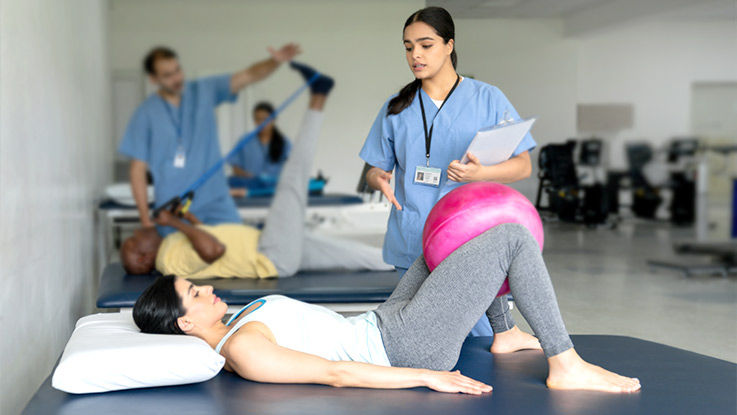
We understand that it might feel embarrassing or even intimidating to talk with a specialist about your pelvic health. Your comfort is our top priority. When you come in for pelvic health physical therapy, you’ll meet one-on-one with a physical therapist in a private treatment room.
During your first appointment, a physical therapist will speak with you about your symptoms and do an examination, then use their findings to create an individualized treatment plan that addresses your symptoms and concerns. In most cases, pelvic health physical therapy includes a combination of:
Specialized pelvic floor exercises
We’ll guide you through pelvic floor exercises to strengthen or stretch the muscles in the pelvis, hips and core. This may include Kegels, a type of exercise where you tighten and release your pelvic floor at timed intervals, and other common exercises, such as bridges, squats and lunges.
Neuromuscular re-education
Our pelvic health physical therapists will work with you to strengthen the brain-body connection through neuromuscular re-education. This technique will improve your coordination, your body awareness and the way the muscles in your pelvis work together. Depending on your needs, your physical therapist may use manual therapy, specialized exercises, or other techniques as part of neuromuscular re-education.
Relaxation techniques
Stress can cause tension in the pelvic floor, making it more difficult to manage pelvic floor disorders. Our physical therapists will teach you relaxation techniques and other strategies to help you control your bladder and bowels, reduce pain, manage anxiety around your symptoms and improve pelvic function. Stress management techniques often include stretches, mindfulness strategies and breathing exercises, such as diaphragmatic breathing.
Education
Your habits can affect incontinence, constipation, pelvic pain, sexual function and more. Our physical therapists will help you understand how the pelvic floor functions and what you can do to manage uncomfortable symptoms. We might recommend making changes to your lifestyle, teach you how to modify activities to support pelvic function and show you adaptive equipment that might make your life easier.
Manual therapy
Manual therapy, also called hands-on therapy, can help relax the pelvic floor muscles and make them less sensitive. Manual pelvic floor therapy can also help you become more aware of how your muscles work together, improving body awareness and function.
Benefits of pelvic health physical therapy
The benefits of pelvic health physical therapy vary depending on your unique needs and goals from this treatment. Common benefits include:
- Better pelvic and sexual function
- Control over your bladder and bowels
- Improved emotional well-being
- More confidence
- Reduced pelvic pain
- Stronger pelvic floor and core