A lymphoma diagnosis can feel life-changing, but there has never been more progress, better support or hope for the future.
From proven treatments to groundbreaking research, HealthPartners Cancer Care is with you every step of the way. We provide award-winning care for adults of all ages, with cancer clinical trials offered as a standard part of treatment.
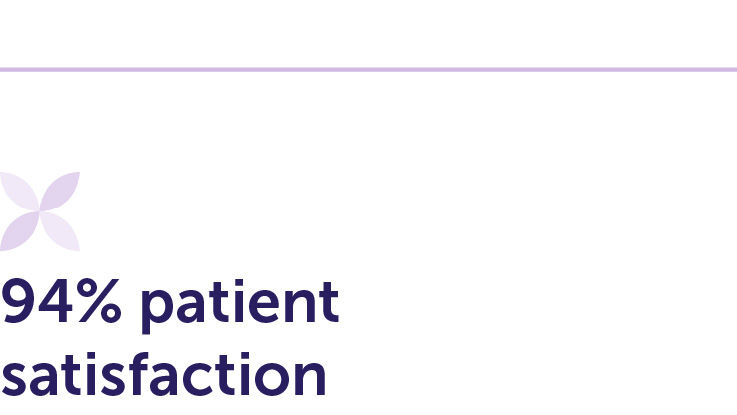
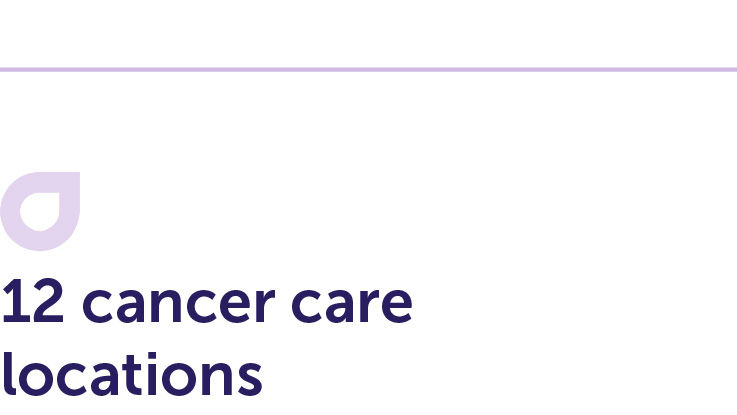
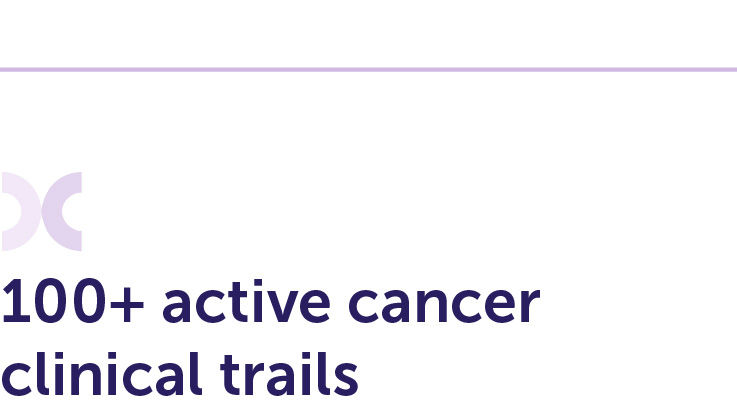
*Patient satisfaction based on statistical data from 2025 NRC Health survey results
There are many different types of lymphoma. Lymphoma is typically diagnosed with a biopsy, a procedure in which a sample of tissue is removed and examined under a microscope. The two main categories are Hodgkin lymphoma and non-Hodgkin lymphoma, but each have multiple subtypes. By identifying the exact type you have and how advanced it is, we can determine the most effective treatment plan.
We’ll personalize your lymphoma treatment plan based on the type and stage of cancer, as well as what matters most to you. Drawing on extensive experience and the latest approaches in care, we may recommend one or more of the following treatments:
Chemotherapy uses strong medications that travel through the bloodstream to kill or slow the growth of fast-growing cells, including cancer cells. It’s one of the most frequently used treatments for both Hodgkin and aggressive non-Hodgkin lymphoma (as well as other blood cancers like leukemia), and is often combined with other therapies, such as immunotherapy.
Immunotherapy strengthens your immune system’s ability to find and destroy lymphoma cells. Some types use laboratory engineered antibodies to target cancer cells. Other types, such as CAR T-cell therapy, involve modifying a patient’s immune cells to better recognize and attack the lymphoma. Immunotherapy may be used alongside other treatments like chemotherapy, or when lymphoma returns or doesn’t respond to initial therapy.
Radiation therapy uses high-energy beams to destroy cancer cells in specific areas of the body. It’s often used for early-stage lymphoma or to treat symptoms in a particular location. Radiation is sometimes combined with chemotherapy or other treatments, depending on the type and stage of lymphoma.
A stem cell (bone marrow) transplant replaces damaged bone marrow with healthy stem cells, often after high-dose chemotherapy. This approach may be used for certain aggressive or relapsed lymphomas, or when other treatments have not been effective.
Treatment for Hodgkin lymphoma depends on several factors, including the stage of the disease, how quickly it is growing and your overall health. Hodgkin lymphoma is one of the most treatable cancers, and many people can be cured with long-term remission, both when it’s found in the early stages and even when it is found in more advanced stages.
Treatment for Hodgkin lymphoma is always evolving, and our doctors and researchers continue to find ways to improve treatment at every stage. We’ll work with you to create a personalized treatment plan based on your unique needs. Our care is grounded in the latest research and advancements, with a focus on treating the lymphoma while supporting your overall well-being.
“At our appointment, [my doctor] was prepared for addressing all the complex issues going on with me. I thought it would be impossible to tell her all the problems I was having, but she seemed to be able to anticipate the questions and problems I'm having. For every problem I have she gave me an explanation for what's going on, and explained options for fixing each item.”
Non-Hodgkin lymphoma is not a single disease, but a group of many types of lymphoma that share certain characteristics. Treatment for non-Hodgkin lymphoma depends heavily on the specific features of the cancer, including how fast it grows.
Some types of non-Hodgkin lymphoma are aggressive, meaning they grow and spread quickly. Aggressive non-Hodgkin lymphomas almost always need treatment soon after diagnosis. Other types of non-Hodgkin lymphoma are indolent, meaning they are slow-growing and may not cause symptoms right away. Indolent non-Hodgkin lymphomas don’t always need immediate treatment.
For early-stage non-Hodgkin lymphoma, treatment can depend on the type of lymphoma:
- Aggressive non-Hodgkin lymphoma – These types are typically treated with chemoimmunotherapy, which is a combination of chemotherapy and immunotherapy. We may also use radiation therapy to target specific areas.
- Indolent non-Hodgkin lymphoma – When lymphoma is slow-growing, we may recommend starting with watchful waiting. If treatment is needed, options may include localized radiation, immunotherapy or chemoimmunotherapy.
For more advanced non-Hodgkin lymphoma, treatment continues to depend on the type and how the disease behaves.
- Aggressive non-Hodgkin lymphoma – Late-stage aggressive lymphoma is usually treated with chemoimmunotherapy. Depending on your needs, we may follow this with additional treatments to keep the cancer in remission.
- Indolent non-Hodgkin lymphoma – Treatment depends on whether you have symptoms, and may include watchful waiting, immunotherapy, chemoimmunotherapy or a combination of therapies.
When you’re facing lymphoma, having the right support matters. At HealthPartners Cancer Care, we’re here to support you every step of the way with compassionate guidance, personalized treatment and access to advanced therapies and cancer clinical trials – all close to home.
Choose a doctor and call to schedule an appointment
Or you can choose a location and call to schedule an appointment
During your cancer treatment, we help make sure that you and your family feel as comfortable and supported as possible. To do this, we offer a wide range of services as part of personalized treatment plans, including:
- Integrative therapies – Integrative therapies are supporting treatments some people choose to have in addition to their cancer treatments. They’re used to reduce the side effects of cancer treatments and improve your overall emotional and spiritual well-being. Common types of integrative therapies include massage, healing touch, reflexology, music therapy and acupuncture.
- Palliative care – Palliative care helps improve the quality of life for people with advanced stages of cancer. Our palliative care team will help you understand your treatments, do daily activities and coordinate communication with your doctor, as well as perform other services to help support you and your family.
- Nutrition services – Our registered nutritionists can provide nutrition counseling to help with managing weight changes, dealing with side effects of treatment and navigating nutrition recommendations.
- Genetic counseling – A genetic counselor can meet with you to go over your personal or family history of cancer and help you understand your hereditary risks. If you have questions about genetic counseling or want to know if genetic counseling is right for you, please ask your care team.
- Cancer rehabilitation – Cancer rehabilitation is a type of treatment that helps you improve your function and ability to do daily activities. We’ll recommend the best treatments for you, which may include physical therapy, occupational therapy, speech therapy and others.
- Specialty pharmacy – We provide a specialty pharmacy that’s staffed by pharmacists who are experts in cancer medications. Because our pharmacy is fully integrated with our cancer treatment centers, our pharmacists are able to work closely with your care team. This helps to make sure you get the special medications you need to treat and manage cancer. Our team will help you understand the cost of your medication and help you with your insurance. The Accreditation Commission for Health Care (ACHC) has recognized us as a specialty pharmacy with a Distinction in Oncology.
- Home care – Home care is when doctor-led care is provided in the comfort of your home. The goal is to manage your condition, keep you comfortable and ensure you can safely live in your home. Our team of doctors, nurses and aides will work with you to develop a care plan that meets your needs. If you think home care is the best option for you or your family member, please talk to a member of your care team. We’ll answer your questions and guide you to helpful resources.
- Hospice – Hospice is a type of individualized care provided to patients. The goal of hospice care is to relieve pain and help a patient’s final days be as comfortable and meaningful as possible. Hospice care doesn’t happen in a specific place. Instead, we can provide hospice care wherever you and your family feel most comfortable, including at home, or in an assisted living facility, hospital or residential hospice facility. We’ll work with you to develop a care plan that helps with your medical needs along with the emotional and spiritual needs of you and your family.
Many different board-certified doctors, nurses, technologists and other medical professionals will work with you to make sure you’re getting the care you need during every step of your journey. Our care team is here to help you navigate your treatment, with help scheduling your appointments and managing your treatments while supporting you and your loved ones throughout your treatment process.
Depending on your treatment plan, you might work with:
- Hematologist/oncologist – A doctor who has specialized training in treating both blood disorders and cancers, making them especially well-suited to care for people with blood cancers like Hodgkin lymphoma, non-Hodgkin lymphoma, leukemia and multiple myeloma.
- Radiation oncologist – A doctor who specializes in treating cancer with radiation.
- Oncology nurses – Our nurses help you with your treatments, managing side effects and therapies.
Yes, many of our patients are able to participate in clinical trials if they meet the requirements. Take a look at our current clinical trials and learn more about our ongoing cancer research.
We accept most health insurance plans, including Blue Cross and Blue Shield of Minnesota, Cigna, HealthPartners, Medica and many others. To learn how your plan covers the services you need, call the number on the back of your insurance card. Here are member services numbers to help you get started:
- Blue Cross and Blue Shield of Minnesota: 800-382-2000
- Cigna: 800-244-6224
- HealthPartners: 800-883-2177
- Medica: 800-952-3455
- Medicare: 1-800-MEDICARE (1-800-633-4227)
- UnitedHealthcare: 877-842-3210