How to protect yourself and others during respiratory season
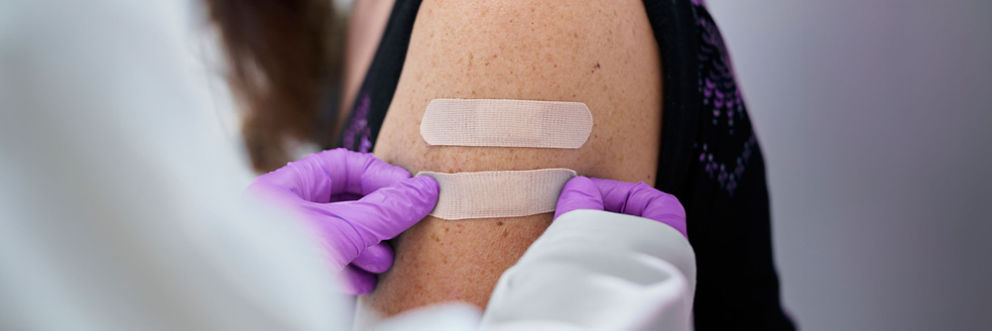

Respiratory season brings higher rates of COVID-19, flu and RSV – here's how to stay healthy
Summer always passes too quickly, and one day you wake up to a chill in the air. Yet, the colder weather is not just a sign of fall, it also signals the start of respiratory season.
What is respiratory season? It’s the time of year when respiratory illnesses – like the common cold, COVID-19, the flu and respiratory syncytial virus (RSV) – have higher rates of transmission and infection.
The good news is there are steps you can take to protect yourself and others from the spread of respiratory viruses, including getting vaccinated. Read on to learn more about respiratory season and how to stay healthy all the way through to spring.
When is respiratory season and why does it happen?
During a typical respiratory season, rates of infection rise in the fall, peak through the winter, then dwindle in the spring. But in some years, rates of infection have spiked as early as July and lasted well into May.
So, what causes higher rates of respiratory illness at certain times during the year? When the weather turns cold in the fall, we naturally migrate indoors. Add in school and extracurricular activities, plus large gatherings around the holidays, and it creates environments where the viruses that cause COVID-19, flu and RSV can spread more easily.
And it’s not just our behavior that contributes to respiratory season, it’s also the weather itself. Cold air is less humid, and with less moisture in the air, the droplets that come from our coughs and sneezes can linger longer and travel farther, both indoors and outside.
COVID-19, flu and RSV are tracked during respiratory season
The Centers for Disease Control and Prevention (CDC) uses data around primary care visits, hospitalizations and demand for over-the-counter medication to monitor rates of COVID-19, flu and RSV during each respiratory season.
- COVID-19 – Coronavirus disease 2019, commonly known as
COVID-19 , is a respiratory disease with flu-like symptoms caused by the SARS-CoV-2 virus. - Flu –
The flu , or influenza, is an infection of the nose, throat and lungs caused by the influenza virus. Flu symptoms are often very similar to those ofthe common cold . - RSV – RSV stands for the
respiratory syncytial virus . It’s a respiratory illness with typically mild symptoms, but can cause serious illness in infants, young children and older adults.
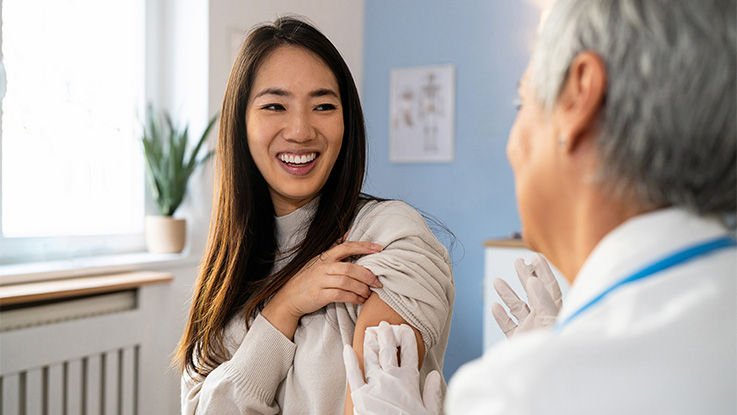
Vaccines for the flu, COVID-19 and RSV: Who can and should get vaccinated
Even if you’ve been vaccinated against the flu and COVID-19 in the past, choosing to get updated vaccines each year is the best way to protect yourself and others. That’s because viruses can change from one season to the next, which can make previous vaccines ineffective against the strains currently circulating. For RSV immunizations, recommendations are dependent on several factors.
Flu vaccines
HealthPartners recommends that everyone 6 months old and older gets one dose of the flu vaccine prior to each respiratory season. If your child has never received the flu vaccine before, they may need two doses. The second dose should be received in late October, so talk to your doctor about timing for the first dose. You can choose to receive the
COVID-19 vaccines
Everyone 6 months old and older is eligible for a COVID-19 vaccine and can choose to receive one based on their own preferences and values. You should not get the vaccine if you have a medical contraindication, such as an allergy to one or more of the vaccine ingredients. If you choose to get vaccinated, getting a COVID-19 vaccine as soon as it’s available offers the best protection.
Most people only need one dose of the vaccine, usually given at least eight weeks after a previous COVID-19 dose. However, small children, older adults and people who are moderately or severely immunocompromised may benefit from additional
RSV immunizations
For eligible adults, there is an RSV vaccine. For eligible children, a monoclonal antibody treatment is available. But the timing and eligibility of these immunizations can be tricky. That’s why we recommend a visit to your doctor before you schedule a vaccination appointment. Your doctor can help you decide if the RSV vaccine or antibody treatment is right for you or your loved one, but here are the general guidelines:
- Young children – For children under 8 months old who were born during or who are entering their first RSV season, the monoclonal antibody treatment is recommended. These antibodies are defenders helping to protect babies’ young immune systems from RSV until they’re mature enough to protect themselves.
- Older adults – It’s recommended that all adults 75 years old and older receive the RSV vaccine once. It may also be recommended for adults 50-74 who are at increased risk of severe RSV because of a health condition.
- Pregnant women – It’s recommended that pregnant people receive an RSV vaccine between week 32 and week 36 of pregnancy. Maternal antibodies help protect babies against RSV once they are born.
The RSV vaccine isn’t currently an annual vaccine. This means that if you were vaccinated against RSV previously, you won’t need another shot.

Tips to stay healthy this respiratory season
At HealthPartners, we recognize the power and importance of vaccines. That’s why we make vaccination appointments easy to fit into the whole family’s busy schedule, and provide a wealth of resources at your fingertips.
And while getting vaccinated is the best way to protect yourself and others during respiratory season, there are other steps you can take to reduce the spread of viruses.
- Wash your hands frequently – It’s hard to say how many surfaces we touch throughout the day, and that’s why we spread the most germs with our hands. When you touch your face without
washing your hands , germs are transferred onto the skin around your mouth, nose and eyes, allowing viruses to get into your body. - Disinfect high-touch surfaces routinely – Doorknobs, kitchen counters, bathroom fixtures, light switches; these places in the home can collect a lot of germs because of how often we touch them. During respiratory season, you may want to
clean and disinfect these surfaces more often, and especially after having visitors to your home. - Limit visitors if you have a baby at home – Babies aren’t born with a strong immune system; it takes time to develop. This is why newborns are more susceptible to infectious diseases, and are more likely to become seriously ill from them.
Vaccines are incredibly important to protect infants and children . Make sure you are keeping up withyour child’s vaccination schedule , and set boundaries that you feel comfortable with around family and friends visiting. - Avoid indoor crowds when you can, or consider wearing a mask – With most events taking place indoors during respiratory season, it can be hard to avoid crowds. It’s up to you to decide your comfort level with crowded spaces – how packed is too packed, and when it’s time to
put on a mask or leave. - Stay home when you’re sick – To avoid spreading germs, stay home and away from others when you’re experiencing symptoms of a respiratory illness. You can resume normal activities if you have been fever free for 24 hours (without using medication) and your symptoms are improving.
How we treat respiratory illnesses
If you do become sick this respiratory season, don’t worry. Most illnesses can be treated at home. We have tips to help you figure out what bug may be making you sick and how to start feeling better:
Treating mild symptoms of COVID-19 at home How to treat the flu at home COVID-19 vs. flu symptoms: How can you tell the difference? Cold versus flu symptoms: How to spot the difference Flu symptoms in kids: How to spot the signs and start treatment quickly
If home remedies don’t seem to be working and you need care quickly, you can start with a visit to our online clinic, Virtuwell, or you can head to one of our urgent care locations.