Herniated disc

Herniated disc treatment for long-term recovery and pain relief
We’ve all experienced back pain and stiffness. A twinge in our back while working in the garden or after a long day on the golf course is normal. But if back pain keeps you up at night or makes it hard for you to get through the day, it’s time to find and treat the cause.
Our spinal discs are made of very tough ligaments that sit between our spinal bones. In 40% of people, a small bump can form at the disc. This is called a disc herniation, also referred to as a slipped or ruptured disc. Sometimes this bump creates swelling and irritation around the nerve contributing to pain.
We can treat even the most severe herniated discs by creating personalized treatment plans that include orthotics and physical therapy. Together, we’ll start working toward the goal of helping you feel better from your first appointment.
"I'm so happy to have an excellent pain-free outcome!"
Herniated disc symptoms
Common signs and
- Pain in the back, commonly on one side of the body
- Tingling or numbness in the arms or legs
- Muscle weakness in one arm or leg
- Pain that radiates through the neck, shoulders or arm
- Pain that gets worse at night or during certain activities
- Loss of bladder or bowel control (seek immediate medical assistance if you experience this symptom, as it may be a sign of a serious condition)
If you experience any of these symptoms, it’s time to make an appointment with an orthopedist.
Herniated disc causes
Over time, the discs in our spine wear out, which is called disc degeneration. Wear and tear on the spinal sacs makes them less flexible and more likely to tear.
Even though disc degeneration is a normal part of aging, not everyone will experience a herniated disc in their lifetime. If you have back pain and suspect you have a herniated disc, our orthopedic doctors can help by creating a customized treatment plan, focused on helping you move through your day comfortably and confidently.
Herniated disc treatment
We’ll recommend a customized treatment plan based on your symptoms and lifestyle. Common treatments for a herniated disc include:
Physical therapy
During your sessions, we’ll teach you about herniated disc causes, how to prevent back injuries and how to get back to your routine with confidence. We’ll also provide a customized home exercise plan so you can continue to heal between sessions. It usually takes about six sessions to complete your treatment plan, but many people start feeling relief from their first visit.
We use a variety of therapies to help support your recovery, including
Anti-inflammatory medicines and corticosteroid injections
As spinal discs wear out, they can become inflamed and swollen, causing them to press painfully against the nerves in your back. Anti-inflammatory medicines, like prescription nonsteroidal anti-inflammatory drugs (NSAIDS), can reduce swelling and manage pain.
We may also recommend the supplement glucosamine, a natural substance found in healthy cartilage, to manage inflammation and promote the growth of healthy tissue.
In some cases, we may need to use corticosteroids in or near the affected area to reduce inflammation. These injections are often used when oral medications don’t provide effective pain relief.
Orthotics
Our team of board-certified orthotists works with our patients to ensure a perfect fit of all braces.
Herniated disc surgeries
In some cases, we might recommend surgery to treat your herniated disc. The majority of the herniated disc surgeries we perform are minimally invasive, outpatient procedures, which means quicker, smoother recoveries. Common surgeries we use to treat herniated discs include microdiscectomy, spinal fusion and laminectomy.
The only way to know if surgery is right for you is to talk with a spine specialist. We’ll guide you toward the best treatment option for you and only recommend surgery if nonsurgical treatments haven’t effectively managed your condition.
Specialty programs for a herniated disc
At TRIA, we have many specialized programs that help our patients recover from a herniated disc. These programs may be recommended in addition to your treatment plan.
Integrative medicine
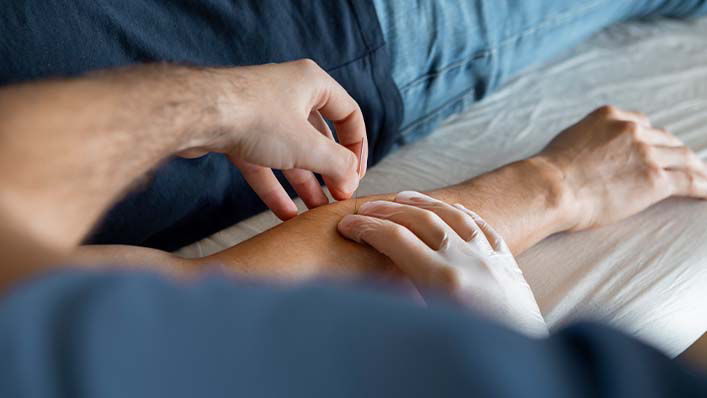
Integrative medicine uses holistic treatments that are scientifically proven to help reduce pain and promote healing, including acupuncture, healing touch, our TRIA Well consults and others.

Pain Management Program
The TRIA Pain Management Program is made up of fellowship-trained doctors, physical therapists and psychologists who offer the most current and effective medical interventions and therapies.